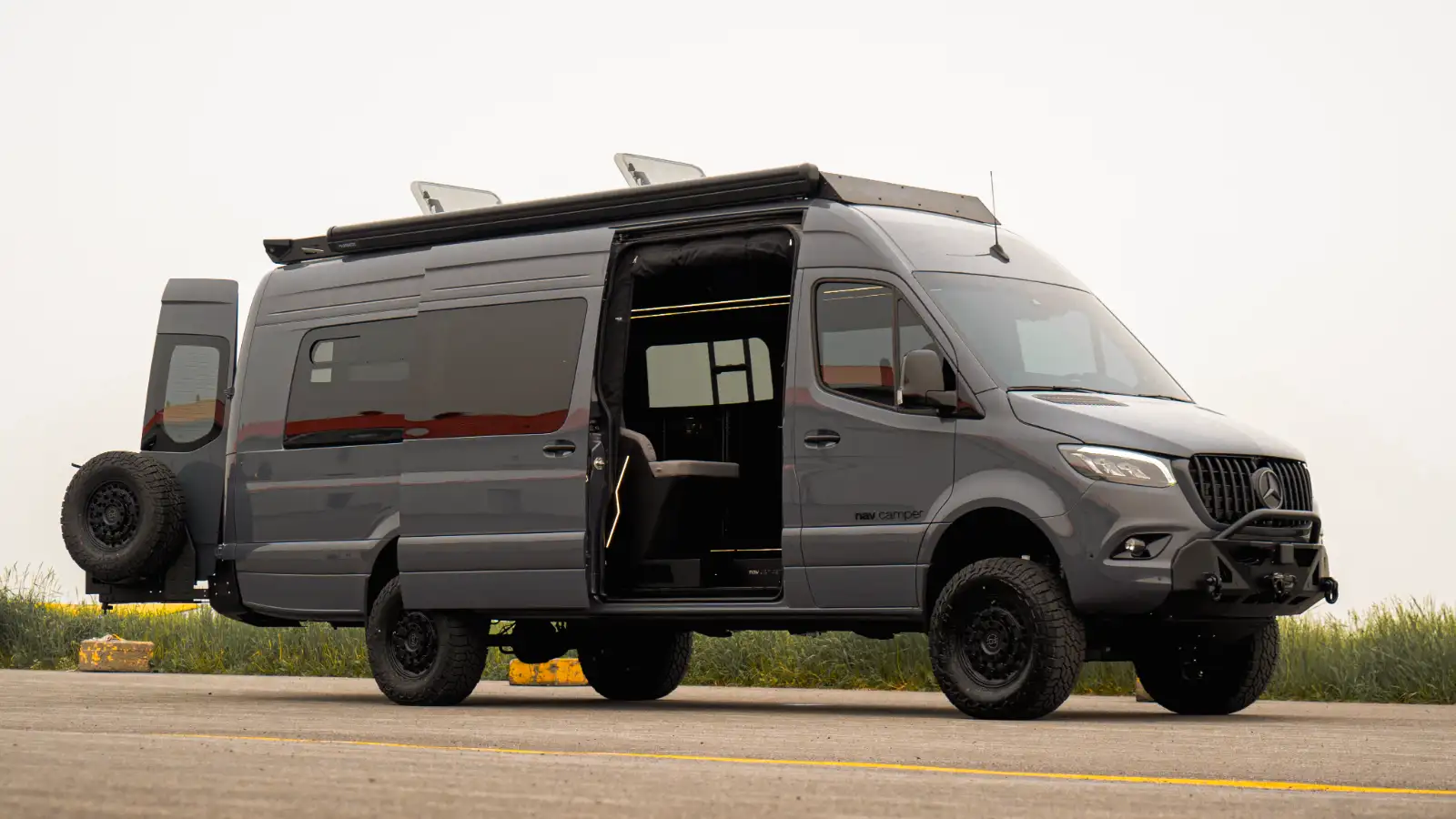
Class B RV: The Complete Guide to Preparing Your Purchase
Concrete benchmarks to compare vehicles, set a realistic budget and ask the right questions before you buy.
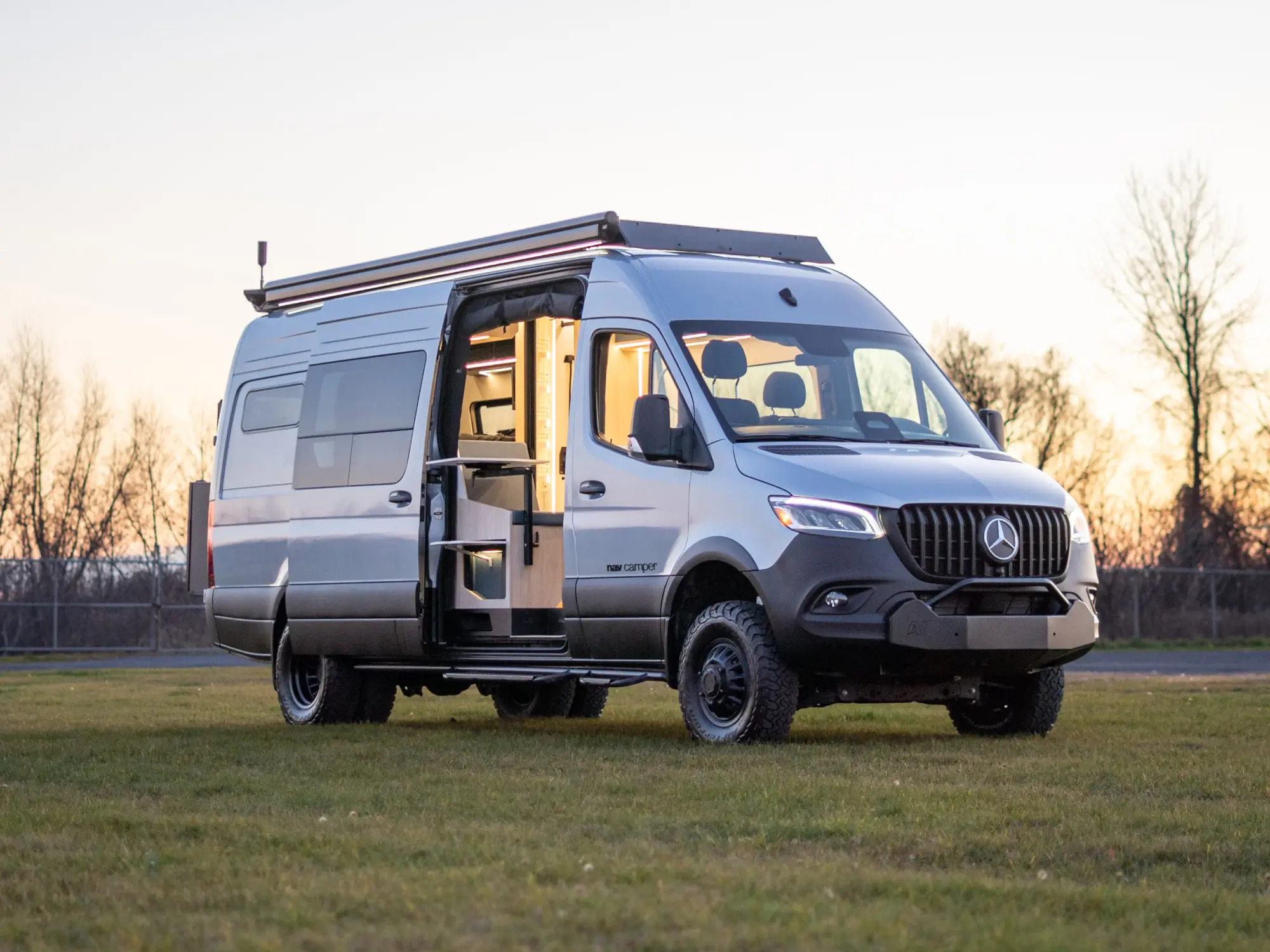
A Class B RV is a compact recreational vehicle built on a van platform, designed to combine independence, comfort and manoeuvrability in a vehicle that is easy to use every day. For travelers who value the freedom to explore without the constraints of a larger motorhome, it often offers the ideal balance. This guide will help you compare vehicles, establish a realistic budget and ask the right questions before making your purchase.
Choosing a recreational vehicle begins with understanding how you want to travel. For some, the spacious comfort of a large motorhome is essential. For others, the freedom to change destinations spontaneously is what matters most. A Class B RV is particularly well suited to this second approach, provided you understand the differences between vehicle platforms, interior layouts and the features that genuinely make a difference on the road.
Class A, Class B and Class C: Different Vehicles for Different Travel Styles
Class A: Prioritizing living space
A Class A is a large motorhome designed to offer a spacious, fully equipped living environment. It is particularly well suited to travelers who enjoy staying in one location for extended periods, sometimes for several weeks or months, especially at full-service campgrounds. While its generous interior space is a significant advantage, its size requires more planning when driving, parking and choosing destinations.
Class C: Accommodating more travellers
Built on a truck or van cutaway chassis, a Class C generally offers more sleeping and storage space than a Class B, making it an attractive option for families. However, its size and weight can limit access to certain roads and campsites.
Off-grid capabilities and winter performance vary considerably from one model to another and should be evaluated based on the actual equipment and design rather than the vehicle category alone.
Class B: Prioritizing mobility
A Class B retains the original body of a van, making it easier to maneuver than a larger motorhome and particularly well suited to road trips with frequent stops and changing destinations.
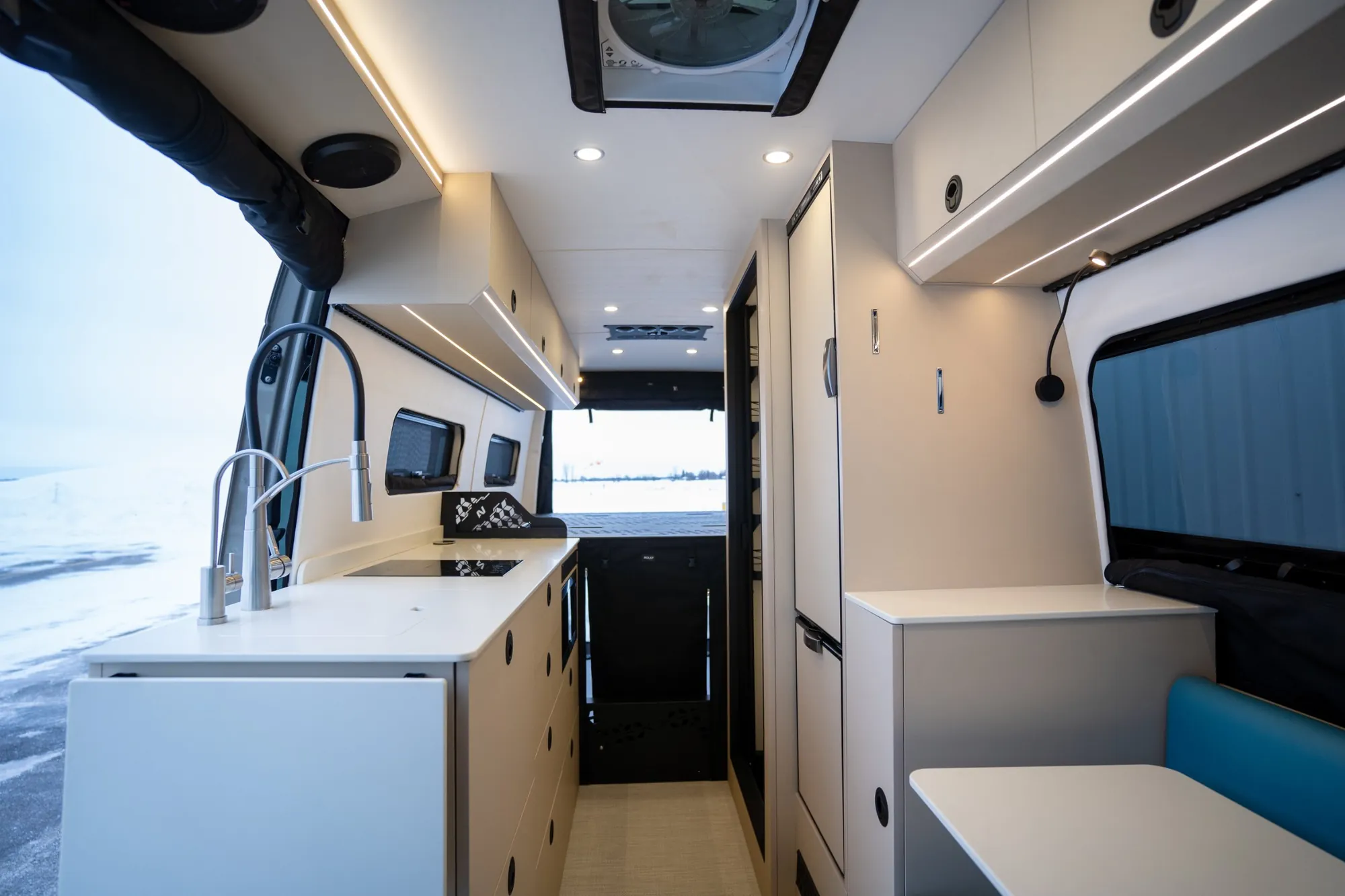
Depending on its layout, it can accommodate a fully equipped kitchen, a bathroom, dedicated storage for outdoor equipment and multiple sleeping areas. The main challenge lies in optimizing the available space: every component must serve a purpose, and every detail matters.
Production or custom Class B RV: what's the difference?
Production RVs offer a clear advantage: their layouts are predefined, their equipment is established, and some vehicles are readily available at dealerships. For buyers whose needs align with an existing configuration, this can be an excellent choice.
A custom conversion takes a different approach, starting with the traveler's lifestyle and habits. Do you travel during winter? Do you carry bikes inside your vehicle? Would you prefer a permanent bed or a more spacious living area? Is an indoor shower essential?
The answers to these questions help shape the interior layout, storage capacity, plumbing and electrical systems.
At Nav Camper, the ONYX, ARYA and FIKA signature models provide a carefully developed foundation for each project. These established layouts can be adapted to reflect how you intend to use your vehicle. The objective is not to customize every detail simply for the sake of customization, but to dedicate space and budget to the features that will genuinely enhance your travel experience.
The overall quality of a conversion also depends on what is not immediately visible: how the cabinetry is secured, how electrical wiring is protected, how easily components can be accessed for maintenance and the attention given to finishing details. These elements deserve just as much consideration as the interior layout itself.
Which platform should you choose for a Class B RV?
The choice of base vehicle influences driving dynamics, payload capacity, interior layout possibilities and long-term maintenance costs. In Canada, the three most common platforms are the Mercedes-Benz Sprinter, Ford Transit and Ram ProMaster.
Each platform has its own strengths, and the right choice ultimately depends on your priorities and the nature of your project.
| Platform | Common engine | Available drivetrain | Things to consider |
|---|---|---|---|
| Mercedes-Benz Sprinter | Diesel | Rear-wheel drive or AWD, depending on version | Diesel torque, multiple lengths and layout possibilities |
| Ford Transit | Gasoline | Rear-wheel drive or AWD, depending on version | Choice of roof heights and Ford service network |
| Ram ProMaster | Gasoline | Front-wheel drive | Low floor and generous interior width |
Dimensions vary by body length, roof, model year and configuration.
Why is the Mercedes-Benz Sprinter the benchmark for high-end conversions?
Its diesel engine is particularly well suited to long-distance travel, while its available AWD system provides additional traction on snow and low-grip surfaces.
The 144, 170 and 170 EXT versions also offer a range of layout possibilities, from compact and highly manoeuvrable vehicles to more spacious configurations that prioritize living space and storage.
The Sprinter also benefits from an established resale market within the premium camper van segment. However, strong resale value is never guaranteed. Maintenance history, mileage and the overall quality of the conversion remain key determining factors.
While AWD improves traction in challenging conditions, it should always be complemented by appropriate tires and responsible driving.
How much does a Class B RV cost in Quebec?
The price of a Class B RV depends as much on the quality and complexity of the conversion as it does on the base vehicle itself. Two vehicles of similar size can have significantly different price tags depending on their equipment, materials, craftsmanship and accessories.
| New vehicle type | Indicative budget, before taxes |
|---|---|
| Entry-level or mid-range production model | About $170,000 to $200,000 |
| Well-equipped production model | About $220,000 to $300,000 |
| High-end custom conversion, vehicle included | About $250,000 to $350,000 and up |
These figures are intended as general guidelines. When comparing quotes, take the time to understand exactly what is included: the base vehicle, batteries, charging systems, heating, air conditioning, water tanks, accessories, winter readiness and warranty coverage. Also confirm whether taxes are included.
It is equally important to consider the long-term cost of ownership. Reliable equipment, properly installed components, accessible systems and a configuration tailored to your lifestyle can provide considerably more value over time than an extensive list of options you rarely use.
Essential Class B RV features: what really makes a difference
1. Electrical autonomy suited to the way you travel
Your electrical system should be designed around your actual energy needs. Refrigeration, lighting and small electronic devices generally consume relatively little energy, while air conditioning, induction cooktops and 3-in-1 ovens place considerably greater demands on the system.
It is therefore important to evaluate the electrical system as a whole, including battery capacity, alternator charging, solar panels, shore power and the inverter.
As a reference, a 400 Ah battery bank at 12.8 V provides approximately 5.1 kWh of nominal energy, while a 920 Ah battery bank provides approximately 11.8 kWh. The actual usable energy depends on the system configuration and its operating limits.
At Nav Camper, different battery capacities are available depending on the intended use of the vehicle and its equipment. Solar panels are also a valuable addition, although their energy production varies significantly depending on sunlight, season and geographic location.
Questions to ask: What is the battery capacity in kWh? How is the system recharged? How long can it realistically support your daily energy consumption?
2. A genuine four-season design that protects essential systems
In Quebec, a four-season RV should offer much more than a heating system. Proper insulation of the walls, ceiling and floor contributes to interior comfort, but protecting the plumbing and other essential systems is equally important.
Water tank placement, plumbing routing and warm air circulation must all be considered from the earliest stages of the design.
Nav Camper uses Thinsulate insulation in the walls and ceiling, combined with an insulated floor. The integration of onboard equipment also takes winter operation into consideration.
Nevertheless, following the manufacturer's winter-use instructions remains essential. A warm interior alone does not guarantee that every plumbing component is protected against freezing.
Questions to ask: Where are the water tanks located? How are the plumbing lines protected? What procedures should be followed during extended stays in extreme cold?

3. Well-distributed heating and properly sized air conditioning
Diesel-fired heating systems are a popular choice for cold-weather travel, as they draw fuel directly from the vehicle's fuel supply.
While heating capacity is important, the way warm air is distributed throughout the vehicle is just as critical. Strategically positioned air outlets help maintain more consistent temperatures across different areas of the interior.
Depending on the configuration, Nav Camper vehicles can be equipped with programmable diesel heating systems and integrated temperature controls.
During the warmer months, a 12 V air conditioning system provides additional comfort. However, its energy requirements must be carefully considered alongside battery capacity and available charging sources.
Questions to ask: What is the heating system's output? How is warm air distributed throughout the vehicle? What temperature control options are available?
4. Simple, practical and accessible water management
Water independence depends not only on tank capacity but also on your daily consumption habits.
An indoor shower can be particularly convenient after a long hike, a mountain bike ride or a day of skiing. However, it also requires dedicated space for plumbing, water tanks and ventilation.
Ease of draining, winterization and access to plumbing connections for maintenance should also be considered.
A well-designed conversion strikes a balance between water capacity, vehicle weight, storage and everyday comfort. A larger water reserve is not necessarily an advantage if it significantly compromises payload capacity or usable living space.
Questions to ask: What is the capacity of the water tanks? How easy is it to drain and winterize the system? How does the plumbing system affect storage and available payload?
5. An interior that works day to day
Can you easily access the refrigerator while someone is seated? Is there enough room to get changed without blocking the passageway? Where will you store wet boots, skis or bicycles? Is the bed genuinely comfortable for the people who will be sleeping in it?
These practical considerations should guide your choice between a permanent bed, a convertible seating area, an indoor shower or a larger rear storage compartment.
Nav Camper's signature models allow you to explore different layout possibilities and find the right balance without having to start from scratch.
Questions to ask: Does the layout accommodate your height, daily habits, outdoor activities and the number of people travelling with you?
6. Careful craftsmanship and serviceability
Visible finishes contribute to the overall appeal of a camper van, but the engineering and craftsmanship behind them are equally important.
Electrical circuits must be properly protected, plumbing connections should remain accessible, equipment must be securely mounted to withstand road vibrations, and cabinetry should be designed to handle the demands of years of travel.
Whenever possible, ask to see the technical compartments and learn more about the manufacturer's installation methods. It is also worth understanding the warranty coverage and how after-sales support is provided when you are travelling far from the manufacturer's facility.
Questions to ask: Which warranties apply to the conversion, and how are they honoured?

The 2027 Salon du VR Classe B: a unique opportunity to see and compare
The Salon du VR Classe B (Class B RV Show) will be held February 26 to 28, 2027, at the Centrexpo Promutuel Assurance in Drummondville. This event is an excellent opportunity to discover the different models on the market, compare interior layouts and see the quality of the products up close. It is also the ideal time to meet manufacturers, talk with specialists and get concrete answers to your questions.
Nav Camper will be there to showcase its vehicles and share its expertise. Make the most of your visit to explore our configurations, discover the customization possibilities and talk with our team about your travel plans. Whether you are just starting your research or about to make your purchase, we will be happy to guide you through your decision.
Choosing the right RV starts with defining your priorities
The best Class B is not the one with the most options. It is the one that matches your needs, your travel seasons and the way you plan to use the vehicle. A couple who goes skiing every weekend will not have the same needs as a family travelling in summer or someone working on the road for several months.
At Nav Camper, this thinking guides the design of every project. Exploring the models and discussing your travel habits is a good starting point to determine the configuration that will suit you.
Camper Van Repairability and Maintenance
AWD improves traction on certain surfaces, but capability remains limited by tires, ground clearance, weight and terrain conditions.
As a guide, the complete process currently takes about 12 to 16 months, depending on the production schedule, vehicle availability and project complexity.
For a complete new vehicle, prices vary considerably. A high-end custom conversion can cost about $250,000 to $350,000 or more, before taxes.
The first offers a predefined configuration; the second lets you adapt the spaces and equipment more broadly to specific needs.
Yes, if the insulation, heating and plumbing are designed for the expected conditions and winter-use instructions are followed.
A recreational vehicle built inside the body of a van, with living spaces and equipment whose configuration varies by manufacturer.